 Bahasa Indonesia
 English
INTERNSHIP
Primary tabs
Master’s Internship Programme
In the third semester, students of the Master’s Programme in Guidance and Counselling undertake a structured internship designed to strengthen professional competence through real-world engagement. This internship bridges advanced coursework and independent thesis research by immersing students in authentic counselling and educational contexts.
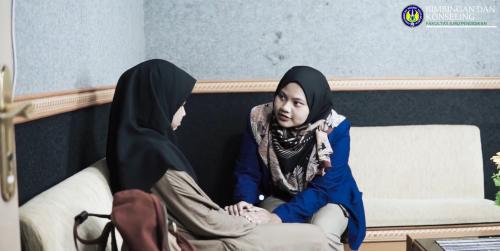 Independent Study Course in Clinical Counselling This internship provides professional experience in delivering clinical counselling services outside the school setting, primarily at the Technical Implementation Unit for Guidance and Counselling at Universitas Negeri Yogyakarta. Students work with real cases under the supervision of lecturers and professional supervisors. The internship emphasises assessment, counselling processes, case documentation, and ethical decision-making grounded in humanistic values and contextual sensitivity. Assessment is based on practice reports, case reflection journals, supervision notes, and practice result seminars. Key References (Clinical Counselling):
Bernard, J. M., & Goodyear, R. K. (2014). Fundamentals of Clinical Supervision (5th ed.). Pearson. Corey, G. (2024). Theory and Practice of Counselling and Psychotherapy (11th ed.). Cengage Learning. American Counseling Association. (2014). ACA Code of Ethics. |
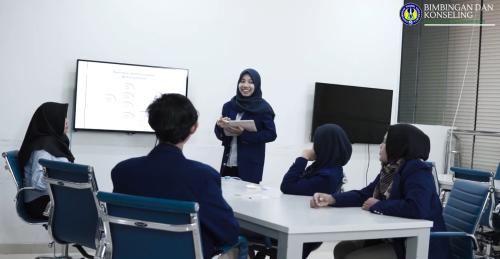 Academic Self-Study Course in Guidance and Counselling This internship focuses on academic and educational practice through the application of the Tri Dharma Perguruan Tinggi (education, research, and community service). Students participate in co-teaching, co-research, and co-community service activities alongside lecturers. The course promotes humanistic and liberating education, preparing students to analyse social dynamics in diverse school contexts and design needs-based counselling services. Assessment is conducted through practice reports, supervision evaluations, reflection journals, and presentations of co-teaching and co-research outcomes. Key References (Academic Self-Study):
Corey, G. (2024). Theory and Practice of Counselling and Psychotherapy (11th ed.). Cengage Learning. Gladding, S. T. (2018). Counselling: A Comprehensive Profession (8th ed.). Pearson. American Counseling Association. (2014). ACA Code of Ethics. |
Kontak Kami
 Instagram: PPBUNYOFFICIAL